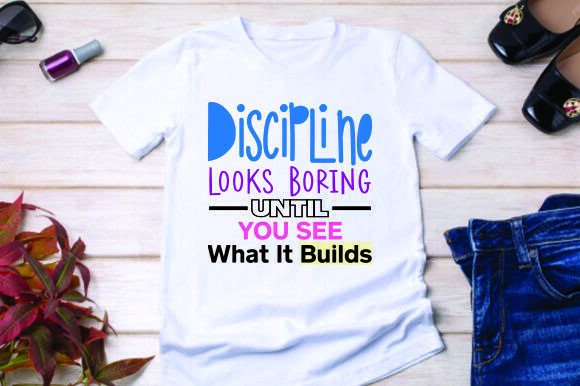
Discipline Looks Boring Until You See What It Builds
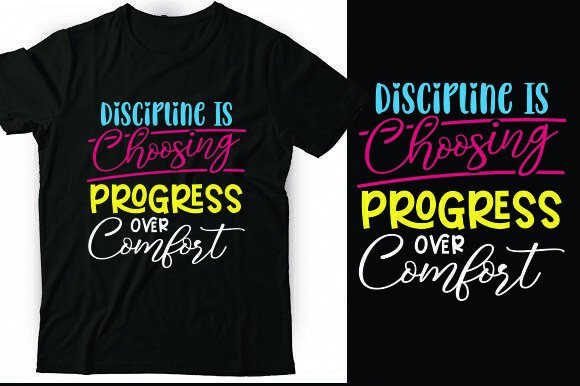
At first glance, “Discipline Looks Boring Until You See What It Builds” reads like a quiet paradox — simple words strung together with quiet confidence. But that’s exactly where its power lies. It’s not just a phrase. It’s a mindset shift captured in typography: a visual reminder that consistency, routine, and daily effort rarely dazzle in the moment — yet they’re the invisible architecture behind resilience, skill, clarity, and growth.
This design distills that idea into clean, bold, intentional visuals — crafted for people who value meaning *and* aesthetics. Whether you're printing it on a soft cotton tee, applying it to a reusable tote, or using it as a desktop wallpaper for focus, the message lands because it’s honest, relatable, and quietly empowering.
Why This Phrase Resonates Across So Many Roles
Discipline isn’t one-size-fits-all — and neither is this design. How it shows up in your life depends heavily on where you are, what you do, and what you’re trying to build.
For creators and designers, it’s both inspiration and validation. That 3 a.m. tweak to spacing, the fifth revision of a logo, the decision to study color theory instead of scrolling — those aren’t glamorous. But they’re how voice, style, and authority emerge over time. This design becomes a studio anchor: a reminder that craft is built in repetition, not revelation.
For educators and coaches, it’s a teaching tool. Students often equate motivation with sudden energy — but real progress lives in showing up when no one’s watching. Printing this on classroom posters, workshop handouts, or student journals makes the abstract idea of discipline tangible and discussable.
For small business owners and freelancers, it reframes hustle. Filing taxes, following up on invoices, refining a service offer — none of it trends on social media. Yet each disciplined action compounds into trust, efficiency, and scalability. Wearing or displaying this design isn’t irony; it’s quiet pride in the unglamorous work that keeps the business breathing.
For learners and hobbyists, it meets them where they are — especially when enthusiasm fades after week two of guitar practice, language study, or fitness goals. The phrase doesn’t shame; it reframes. It says: *What feels tedious now is the foundation for something you’ll one day recognize as yours.*
What’s Inside the Design Package — And Why Format Choice Matters
You’ll receive this design in four versatile formats — each serving different needs:
- JPG: High-resolution (4500×5400 px, 300 dpi), ready for immediate printing on shirts, mugs, or posters. Ideal if you’re handing files to a local print shop or uploading to a print-on-demand platform.
- SVG: Scalable vector format — perfect for cutting machines (Cricut, Silhouette), web use, or apps where crisp lines matter at any size. Great for stickers, decals, or digital presentations.
- PNG with transparency: Clean, background-free version — essential for layering over photos, adding to Canva templates, or creating mockups without white boxes.
- Editable AI file: Full Adobe Illustrator access — layers, fonts (with outlines), colors, and spacing intact. For designers who want to adapt the layout, swap typefaces, or integrate it into larger branding systems.
The files arrive in a single ZIP folder — no complicated installers or registration walls. Double-click to open, extract, and go. No subscriptions. No watermarks. Just clarity, control, and creative freedom.
How to Choose What Fits Your Needs Right Now
Not every format matters equally to every person — and that’s okay.
If you’re just starting out — say, testing a t-shirt idea on Etsy or designing your first workshop swag — the JPG and PNG will get you live fast. You don’t need vectors to prove demand or gather feedback.
If you’re a seasoned designer or brand builder, the AI file unlocks long-term flexibility: adjust kerning for different product types, recolor for seasonal campaigns, or align the layout with your existing brand guidelines. That editability isn’t about convenience — it’s about consistency across touchpoints.
For educators or nonprofit teams building low-cost resources, the SVG and PNG let you scale the message freely — from handouts to slide decks to vinyl wall quotes — without licensing friction or pixelation.
And for hobbyists printing at home, the high-DPI JPG ensures sharp results even on entry-level inkjets — no guesswork, no blurry edges.
More Than a Quote — A Lens for Daily Decisions
“Discipline Looks Boring Until You See What It Builds” works because it names a universal tension: the gap between effort and outcome, between process and result. It doesn’t promise instant transformation. It honors the slow, steady, often unseen labor that precedes every milestone — whether that’s launching a podcast, mastering sourdough, writing a book chapter, or simply showing up for your own well-being.
That’s why it fits so many contexts — not as decoration, but as orientation. A way to pause and ask: *What am I building right now, even if it doesn’t feel exciting today?*
It also invites reflection on values. Are you choosing tasks based on visibility — or on alignment with what truly matters to you? The design doesn’t answer that question. But it creates space for it.
And because it’s rooted in realism — not hype — it avoids burnout culture. There’s no “grind harder” subtext. Just recognition: discipline isn’t punishment. It’s investment. And investments compound — quietly, patiently, inevitably.
Final Thought: Match the Tool to Your Moment
You don’t need all four file types to begin. You don’t need to be “ready” to use this. If the phrase resonates — if it names something you’ve lived but never named — then it’s already useful.
Start where you are. Print it. Pin it. Sketch beside it. Use it to spark a conversation in your team meeting or classroom. Adapt it. Sit with it. Let it remind you — not of what you lack, but of what consistent attention can grow.
Because discipline isn’t about perfection. It’s about showing up, again and again, for the version of yourself that’s still under construction — and trusting that what’s being built is worth the wait.